Basic 6 · History · Political Development
Governor Guggisberg and Colonial Development
In this topic you will assess the development work of Governor Sir Gordon Guggisberg and the 1925 Constitution.
By the end of these notes you should be able to:
- Describe Guggisberg's development projects
- Explain the 1925 Constitution
- Assess Guggisberg's contribution to Ghana
What you already know
- Direct and indirect rule
Copy everything that has a blue line on its left into your notebook. The other parts are for reading.
- Strand
- Colonization & Development
- Sub-strand
- Political Development
- Indicator
- B6.4.4.1.1 – Describe the features of British colonial rule in Ghana including direct and indirect rule, 1874–1957
Introduction
Sir Frederick Gordon Guggisberg was Governor of the Gold Coast from 1919 to 1927. He is remembered as one of the colonial governors who did the most to develop the country.
1. The Ten-Year Development Plan
In 1919, Guggisberg announced a Ten-Year Development Plan. It aimed to improve transport, health and education using money from cocoa exports.
| Area | Projects |
|---|---|
| transport | Takoradi Harbour (opened 1928); Accra–Kumasi railway (1923); hundreds of kilometres of roads |
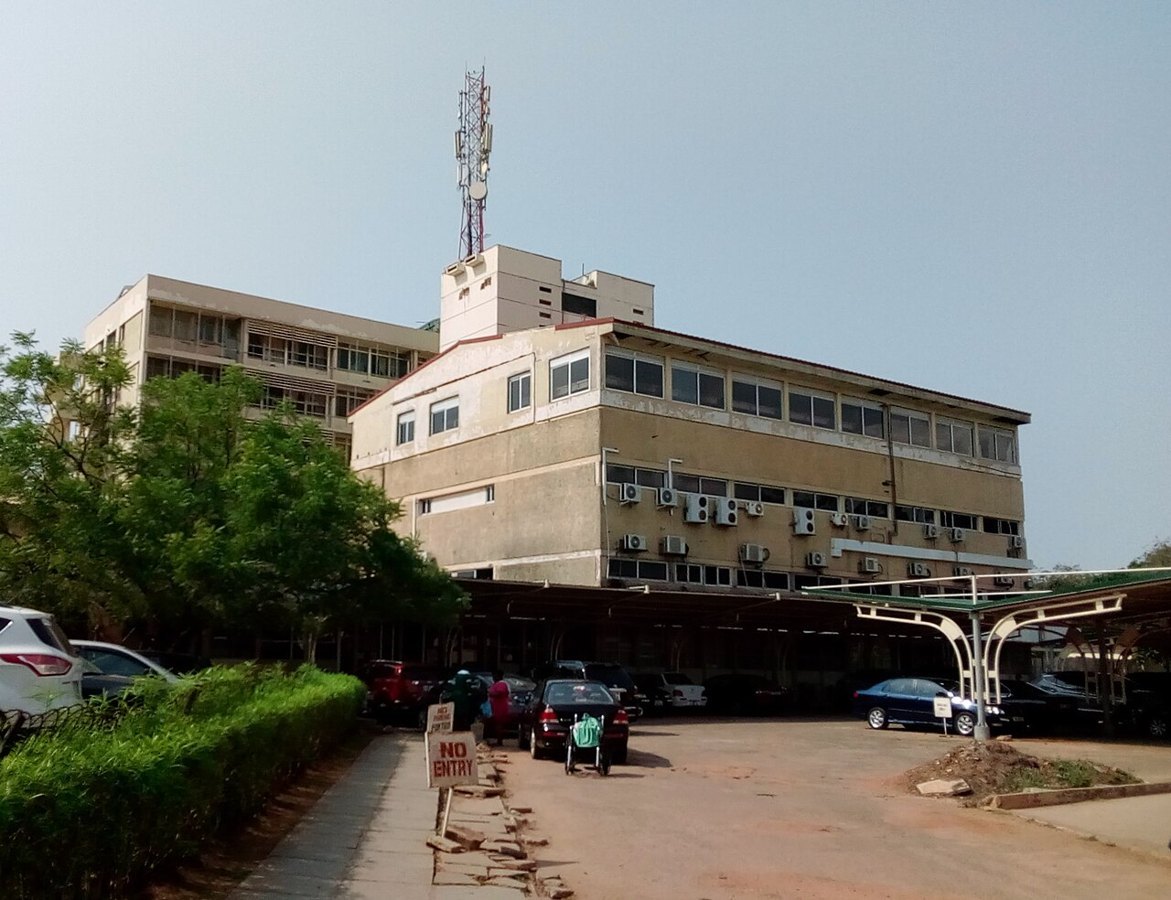
| health | Korle Bu Hospital, Accra (1923) |
| education | Achimota College (opened 1927); more trade and teacher-training schools |
| water | water supply improvements in some towns |
2. Guggisberg's View on Africans
Guggisberg believed that Africans should be trained for senior positions. He planned for Africans to replace Europeans in many government jobs. He supported higher education and said that education was "the keystone" of progress.
3. The 1925 Constitution
Guggisberg introduced a new constitution in 1925. It created Provincial Councils of Chiefs and gave chiefs seats in the Legislative Council. For the first time, three members were elected by the people of Accra, Cape Coast and Sekondi. However, the British still held the majority.
| Positive | Negative |
|---|---|
| introduced elections for the first time | only three seats were elected |
| gave chiefs a role in law-making | educated Africans felt chiefs were favoured |
| increased African representation | British officials kept control |
4. Assessing Guggisberg
Guggisberg's projects lasted for many years and some are still in use, such as Korle Bu, Achimota and Takoradi Harbour. However, his projects were mostly in the south and many were designed to improve the export of cocoa and minerals. His constitution was criticised by nationalists such as J.B. Danquah for favouring chiefs over the educated.
Historians therefore judge Guggisberg as a hard-working governor who laid important foundations, while remembering that he served British interests and that real political power remained with Britain until independence.
New words
- Governor
- The head of a colonial government.
- development plan
- A plan to improve a country's facilities.
- constitution
- The rules for how a country is governed.
- Provincial Council
- A council of chiefs created in 1925.
- keystone
- The central, most important part.
- nationalist
- A person who works for their country's independence.
Summary
- Guggisberg was Governor from 1919 to 1927.
- He built Takoradi Harbour, Korle Bu Hospital and Achimota College.
- The 1925 Constitution introduced limited elections.
- His work was valuable but focused on the south and exports.
Class activity: Project Fact Files
- Each group chooses one Guggisberg project.
- Make a fact file: date, location, purpose and its use today.
- Present it to the class.
You need: Ghana map, Locally made colonial timeline cards, Printed photographs of Ghanaian chiefs, Colonial officials
Exercises
Answer in your exercise book first, then check your answers.
1. Guggisberg was Governor from…
- A. 1919 to 1927
- B. 1844 to 1874
- C. 1957 to 1966
- D. 1900 to 1901
Show answer
Answer: 1919 to 1927Eight years.2. Which project opened in 1928?
- A. Takoradi Harbour
- B. Korle Bu
- C. Achimota
- D. Akosombo Dam
Show answer
Answer: Takoradi HarbourAfter he left office.3. The 1925 Constitution introduced…
- A. elected members for three towns
- B. full independence
- C. a President
- D. universal voting
Show answer
Answer: elected members for three townsAccra, Cape Coast, Sekondi.4. Guggisberg believed education was very important.
- A. True
- B. False
Show answer
Answer: True"The keystone" of progress.5. Guggisberg's projects were spread equally across the north and south.
- A. True
- B. False
Show answer
Answer: FalseMostly in the south.6. Guggisberg's plan was called the Ten-Year ______ Plan.
Show answer
Answer: DevelopmentStarted in 1919.7. Name three projects of Governor Guggisberg.
Show answer
Answer: Takoradi Harbour, Korle Bu Hospital, Achimota College (or Accra–Kumasi railway).Any three.8. Give one strength and one weakness of the 1925 Constitution.
Show answer
Answer: Strength: first elections. Weakness: only three elected seats and British majority.Balanced.
Homework
- Find out what Korle Bu Hospital or Achimota School is like today.