Basic 4 · Computing · Generation of Computers
The First Generation of Computers
In this topic you will learn what a generation of computers is and study the first generation of computers, their features and examples such as ENIAC and UNIVAC.
By the end of these notes you should be able to:
- Explain the meaning of a generation of computers
- State the period and main technology of first generation computers
- List at least four features of first generation computers
- Name examples of first generation computers
What you already know
- Parts of a computer
- Computer memory
Copy everything that has a blue line on its left into your notebook. The other parts are for reading.
- Strand
- Introduction to Computing
- Sub-strand
- Generation of Computers
- Indicator
- B4.1.1.1.5 – Summarize the first generation of computers
Introduction
Today's computers are small enough to fit in your hand. But the first computers were so big that they filled a whole room! Computers have changed over the years. Each stage of change is called a generation.
1. Generations of Computers
Generation of computers: A stage in the development of computers, based on the main technology used to build them.
There are five generations of computers. In this lesson we study the first generation.
2. The First Generation (1940–1956)
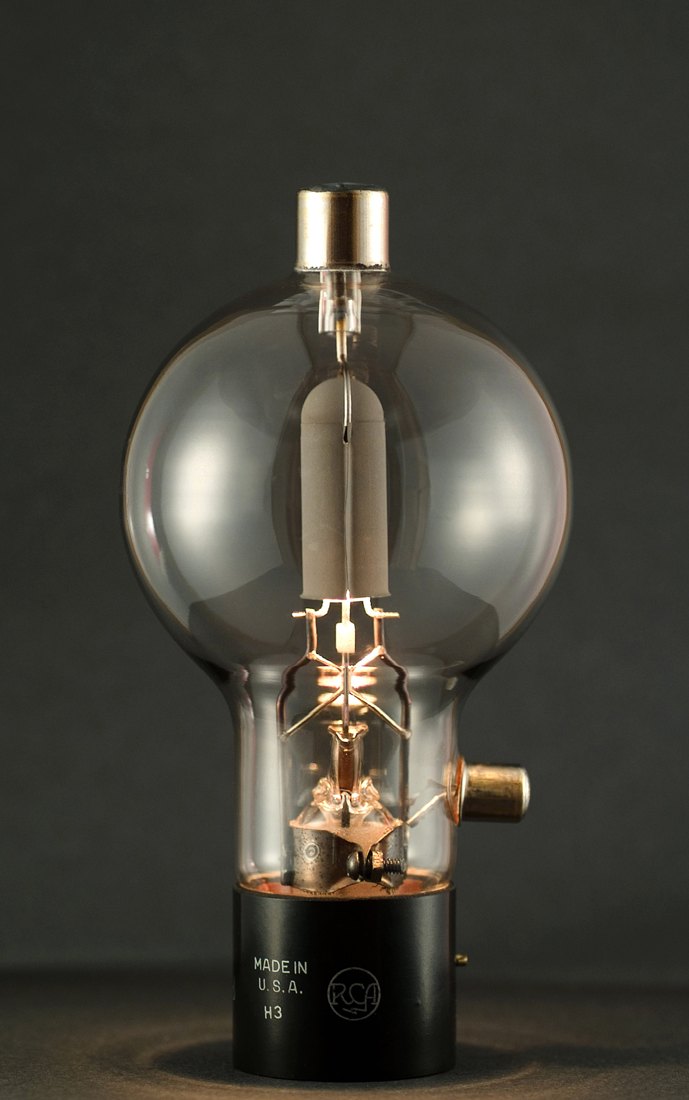
First generation computers used vacuum tubes to process data. A vacuum tube is a glass tube that looks like an old electric bulb. It controls the flow of electricity.
Features of first generation computers
- They were very large. One computer could fill a whole room.
- They used a lot of electricity.
- They produced a lot of heat and often broke down.
- They were very expensive to build and to run.
- Data was entered using punched cards and paper tape.
- Results were given out on printouts.
- They were programmed in machine language (0s and 1s).
- They could do only one task at a time.
3. Examples of First Generation Computers
| Computer | Facts |
|---|---|
| ENIAC (Electronic Numerical Integrator and Computer) | Completed in 1946 in the USA by John Mauchly and J. Presper Eckert. It was the first programmable, electronic, general-purpose digital computer. It had about 18,000 vacuum tubes and weighed about 30 tonnes. |
| EDVAC (Electronic Discrete Variable Automatic Computer) | One of the earliest electronic computers. It worked with binary numbers (0 and 1) instead of decimal numbers and was designed to store its programs in memory. |
| UNIVAC I (Universal Automatic Computer) | Delivered in 1951. It was the first computer sold for business use in the USA and was used to count the population (census). |
| IBM 701 | Introduced in 1952 by the IBM company for scientific calculations. |
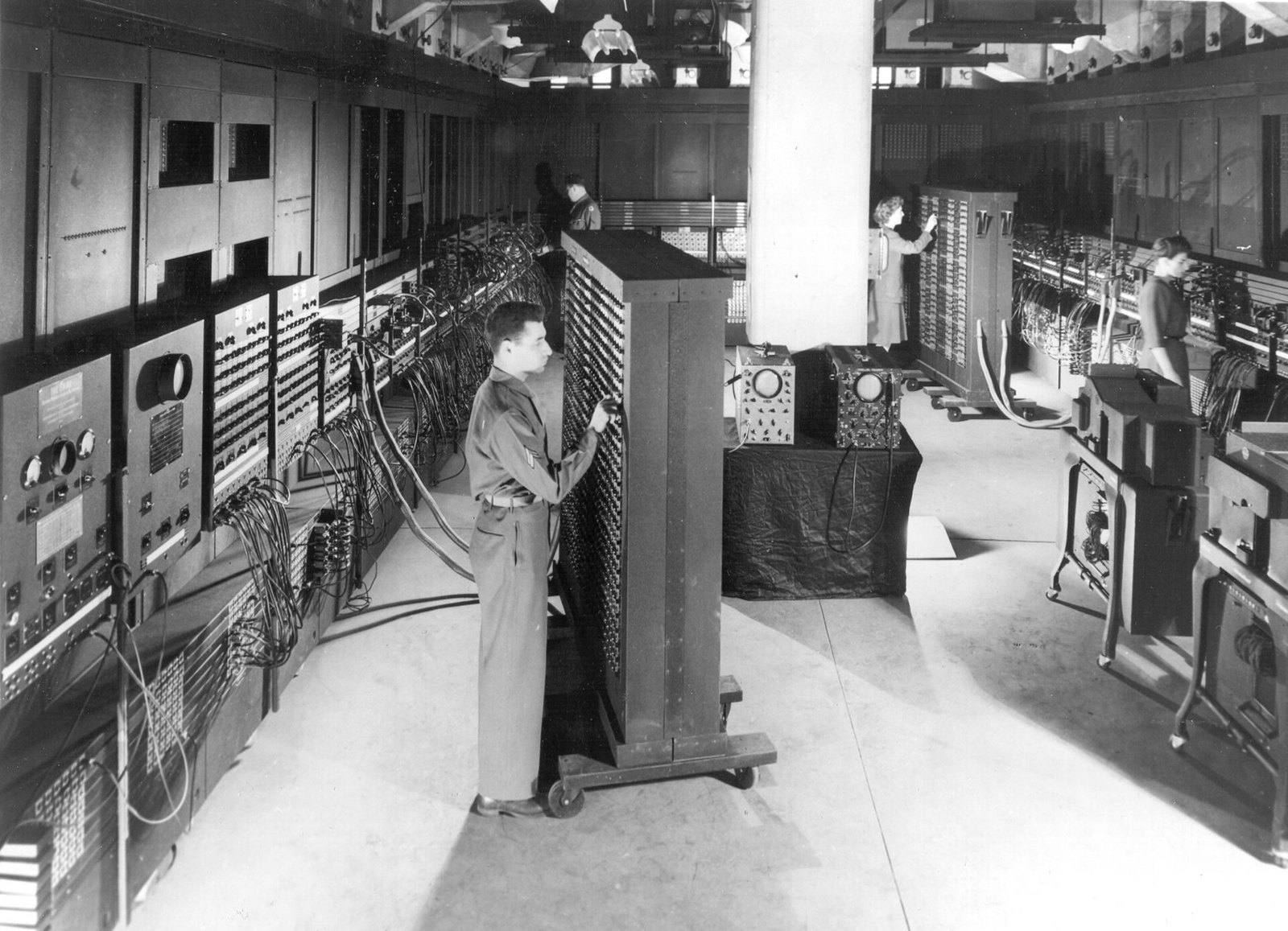
Did you know?: ENIAC weighed about 30 tonnes – that is heavier than five adult elephants!
4. First Generation Compared With Today's Computers
| First generation computers | Today's computers |
|---|---|
| Used vacuum tubes | Use microchips (microprocessors) |
| Filled a whole room | Fit on a desk, in a bag or in a pocket |
| Used a lot of electricity and produced much heat | Use little electricity |
| Broke down often | Are more reliable |
| Very slow | Very fast |
New words
- Generation
- A stage in the development of computers.
- Vacuum tube
- A glass tube used in first generation computers to control electricity.
- Punched card
- A stiff paper card with holes, used to enter data into early computers.
- Machine language
- Instructions written using only 0s and 1s.
- ENIAC
- Electronic Numerical Integrator and Computer, completed in 1946.
- Microchip
- A tiny electronic part used in modern computers instead of vacuum tubes.
Summary
- First generation computers were built between 1940 and 1956.
- They used vacuum tubes and filled whole rooms.
- They used much electricity, produced much heat and broke down often.
- Examples: ENIAC, EDVAC, UNIVAC I and IBM 701.
Class activity: Computer Timeline
- Your group will get photographs and timeline cards.
- Arrange the first generation computers in order of the year they were made.
- Compare the old circuit board with the photo of a vacuum tube. Say which one is smaller.
You need: Printed photographs of computer generations, Locally made computer timeline cards, Discarded computer circuit board
Exercises
Answer in your exercise book first, then check your answers.
1. First generation computers used…
- A. Microchips
- B. Vacuum tubes
- C. Touch screens
- D. Flash drives
Show answer
Answer: Vacuum tubesVacuum tubes were the main technology of the first generation.2. Which of these is a first generation computer?
- A. Laptop
- B. Tablet
- C. ENIAC
- D. Smartphone
Show answer
Answer: ENIACENIAC was completed in 1946.3. First generation computers were used between…
- A. 1940 and 1956
- B. 1980 and 1990
- C. 2000 and 2010
- D. 1900 and 1910
Show answer
Answer: 1940 and 1956The first generation covers 1940 to 1956.4. First generation computers were very small.
- A. True
- B. False
Show answer
Answer: FalseThey were very large and could fill a whole room.5. UNIVAC I was used to count the population in the USA.
- A. True
- B. False
Show answer
Answer: TrueUNIVAC I was used for the census.6. Data was entered into first generation computers using ______ cards.
Show answer
Answer: punchedPunched cards had holes that represented data.7. State four features of first generation computers.
Show answer
Answer: Any four: used vacuum tubes; very large; used much electricity; produced much heat; broke down often; expensive; used punched cards; used machine language.Any four correct features are accepted.8. Give two ways today's computers are better than first generation computers.
Show answer
Answer: Any two: smaller; faster; use less electricity; produce less heat; more reliable; cheaper.Compare a feature of old computers with today's computers.
Homework
- Write a short paragraph (4–5 sentences) about ENIAC in your notebook.