Basic 6 · History · Impact of European Presence
European Impact: Infrastructure and Health
In this topic you will assess how the European presence led to new infrastructure such as railways, roads, harbours, hospitals and communication systems.
By the end of these notes you should be able to:
- Describe infrastructure built during the colonial period
- Explain why it was built
- Assess its effects on Ghana
What you already know
- Trade, crops and money
Copy everything that has a blue line on its left into your notebook. The other parts are for reading.
- Strand
- Europeans In Ghana
- Sub-strand
- Impact of European Presence
- Indicator
- B6.3.4.1.1 – Assess the changes that the European presence brought to Ghana
Introduction
The railway from Sekondi to Kumasi, the harbour at Takoradi and Korle Bu Hospital were all built during colonial rule. Why were they built, and who benefited?
1. Railways
| Line | Completed | Main purpose |
|---|---|---|
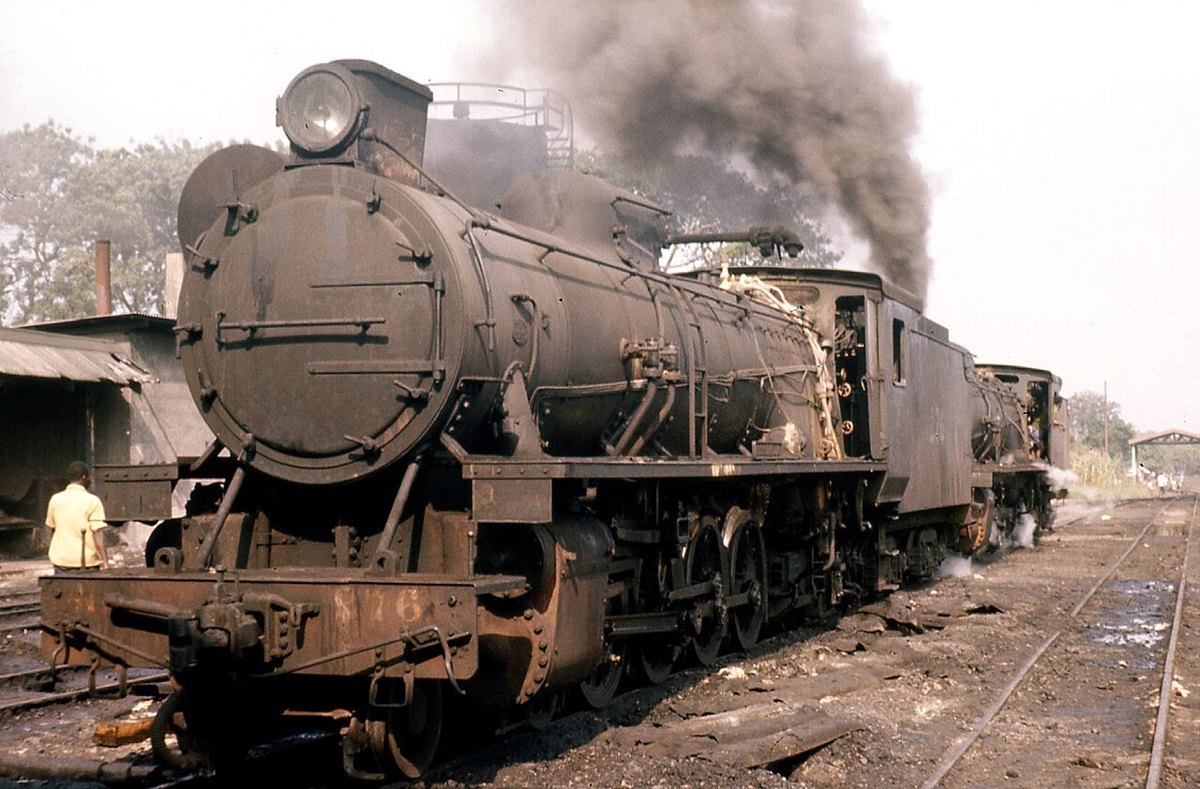
| Sekondi–Tarkwa | 1901 | carry gold from Tarkwa mines to the coast |
| Tarkwa–Kumasi | 1903 | link Kumasi and its gold and cocoa to the coast |
| Accra–Kumasi | 1923 | carry cocoa from the Eastern and Ashanti areas |
2. Roads and Harbours
Roads were built to connect cocoa-growing areas to railway stations and ports. Lorries became common in the 1920s and helped farmers carry cocoa to buying centres. Takoradi Harbour, the first deep-water harbour, opened in 1928, making it easier for large ships to load cocoa, timber, manganese and gold. Before this, goods were carried to ships in surf boats.
3. Health Services
Europeans first built hospitals for their own officials, but later for Africans too. Korle Bu Hospital opened in Accra in 1923 under Governor Guggisberg and is now a major teaching hospital. Campaigns against diseases such as yellow fever, sleeping sickness and smallpox were carried out. Clean water supply and sanitation were introduced in some towns.
4. Communication and Utilities
- Post offices and the telegraph linked towns.
- Pipe-borne water was supplied to Accra from the Weija and Kpong areas later.
- Electricity was supplied to some towns.
- Newspapers were printed.
5. Assessing the Infrastructure
| Positive | Negative |
|---|---|
| faster transport of people and goods | built mainly where minerals and cocoa were found |
| growth of towns such as Sekondi-Takoradi and Kumasi | the north received very little infrastructure |
| better health care in some areas | designed mainly to carry raw materials out of the country |
| jobs for railway and port workers | forced labour was sometimes used |
Many of these railways, roads and hospitals are still used today, but the unequal development between the south and the north remains a challenge.
New words
- infrastructure
- Basic structures such as roads, railways and hospitals.
- railway
- A track for trains.
- harbour
- A sheltered place where ships load and unload.
- surf boat
- A canoe used to carry goods through waves to ships.
- telegraph
- A system for sending messages by electric signals.
- unequal development
- When some areas get more facilities than others.
Summary
- Railways linked mines and cocoa areas to the coast.
- Takoradi Harbour opened in 1928; Korle Bu in 1923.
- Infrastructure helped trade and health care.
- It was concentrated in the south and mainly served export needs.
Class activity: Infrastructure Map
- On a map of Ghana, draw the early railway lines and mark Takoradi Harbour and Korle Bu.
- Shade the areas that had the most infrastructure.
- Discuss why the north had less.
You need: Ghana map, Printed photographs of forts, Early mission schools, Cowrie shells, Trade beads
Exercises
Answer in your exercise book first, then check your answers.
1. Which harbour opened in 1928?
- A. Takoradi
- B. Tema
- C. Elmina
- D. Keta
Show answer
Answer: TakoradiFirst deep-water harbour.2. The Sekondi–Tarkwa railway mainly carried…
- A. gold
- B. fish
- C. yam
- D. cattle
Show answer
Answer: goldFrom Tarkwa mines.3. Korle Bu Hospital opened in…
- A. 1923
- B. 1957
- C. 1874
- D. 1807
Show answer
Answer: 1923Under Guggisberg.4. Railways helped to transport cocoa.
- A. True
- B. False
Show answer
Answer: TrueTo the ports.5. Infrastructure was spread equally across the whole country.
- A. True
- B. False
Show answer
Answer: FalseThe north got little.6. Basic structures like roads and railways are called ______.
Show answer
Answer: infrastructurePublic facilities.7. State two reasons why the colonial government built railways.
Show answer
Answer: To carry gold, cocoa and timber to the ports, and to move officials and goods quickly.Export focus.8. Assess one positive and one negative effect of colonial infrastructure.
Show answer
Answer: Positive: faster transport and growth of towns. Negative: it served mainly export needs and neglected the north.Balanced assessment.
Homework
- Find out the oldest road, bridge or building in your district and when it was built.