Basic 6 · History · Impact of European Presence
European Impact: Christianity and Mission Work
In this topic you will assess how the European presence spread Christianity and how mission work affected health, language and society.
By the end of these notes you should be able to:
- Explain how Christianity spread in Ghana
- Describe the work of missions in health and agriculture
- Assess the effects of Christianity on Ghanaian society
What you already know
- Formal education
Copy everything that has a blue line on its left into your notebook. The other parts are for reading.
- Strand
- Europeans In Ghana
- Sub-strand
- Impact of European Presence
- Indicator
- B6.3.4.1.1 – Assess the changes that the European presence brought to Ghana
Introduction
Today, churches are found in almost every Ghanaian town. Christianity arrived with the Europeans and spread widely through the work of missionaries and African converts.
1. The Spread of Christianity
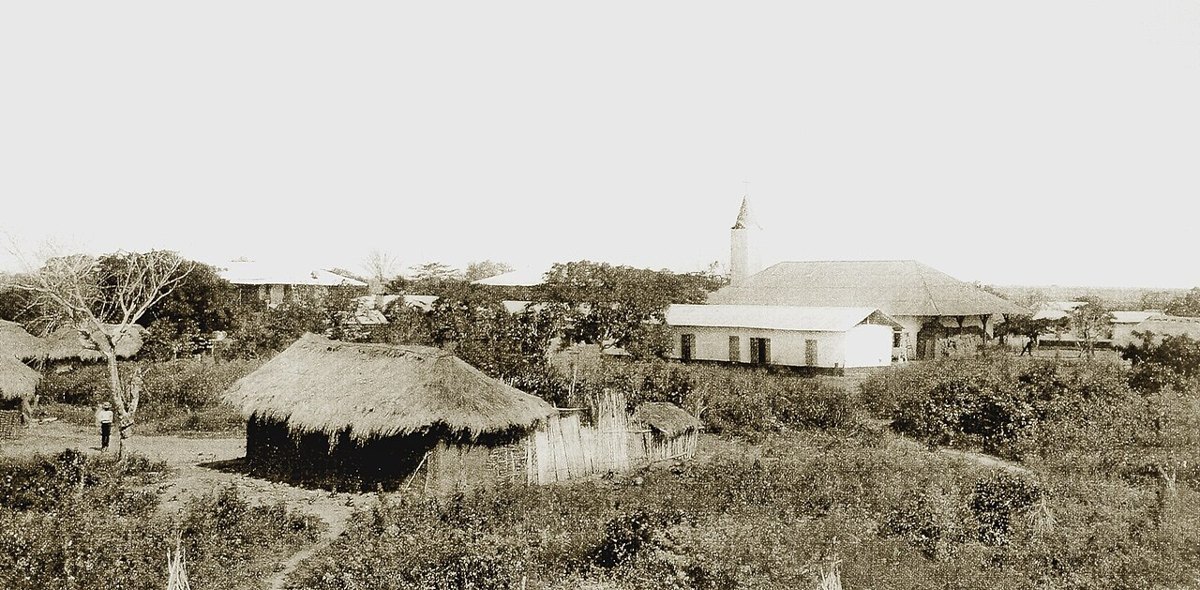
The Portuguese brought Catholic priests to Elmina in the 15th century, but Christianity spread slowly at first. In the 19th century, the Basel, Wesleyan, Bremen and Catholic missions spread Christianity inland. Many missionaries died of malaria and yellow fever. The Basel Mission brought Christians from the West Indies (Jamaica) in 1843 to help, because they were believed to resist the tropical climate better.
2. African Pioneers
Ghanaians played a major role. Rev. Philip Quaque (1741–1816), born in Cape Coast, was the first African to be ordained a priest of the Church of England, and he ran a school at Cape Coast Castle. Catechists and teachers carried Christianity to many villages. Later, African independent churches such as the Musama Disco Christo Church (founded 1922) combined Christian worship with African music and culture.
3. Mission Work Beyond the Church
| Area | Contributions |
|---|---|
| health | hospitals and clinics (e.g. Agogo Presbyterian Hospital; St Martin's Catholic Hospital, Agroyesum) |
| agriculture | introduced new crops and farming methods; Basel Mission farms grew coffee and cocoa |
| crafts and trade | taught carpentry, masonry, blacksmithing and bookkeeping (the Basel Mission Trading Company) |
| language | wrote dictionaries, grammars and Bibles in Twi, Ga and Ewe |
| social welfare | fought against harmful practices and cared for the poor |
4. Assessing the Effects
| Positive | Negative |
|---|---|
| schools and hospitals built | some traditional practices and festivals were condemned |
| Ghanaian languages written down | some converts were separated from their families and customs |
| new skills and trades taught | rivalry between different churches |
| reduction of some harmful practices | traditional religion was sometimes called "pagan" |
Today, Ghanaians practise Christianity, Islam and Traditional Religion side by side, and many churches use Ghanaian music, drums and languages in worship.
New words
- Christianity
- The religion based on the life and teachings of Jesus Christ.
- convert
- A person who changes to a new religion.
- catechist
- A person who teaches the basics of Christian faith.
- ordained
- Officially made a priest or minister.
- independent church
- A church started by Africans, separate from foreign missions.
- mission station
- A centre set up by missionaries.
Summary
- Christianity spread through missionaries and African pioneers.
- Philip Quaque was the first African ordained in the Church of England.
- Missions built schools and hospitals and taught trades.
- Christianity brought benefits but also challenged traditional culture.
Class activity: Church Timeline
- Find the founding dates of three churches in your community.
- Arrange them on a timeline.
- Write one contribution each church has made to the community.
You need: Ghana map, Printed photographs of forts, Early mission schools, Cowrie shells, Trade beads
Exercises
Answer in your exercise book first, then check your answers.
1. Which mission brought West Indian Christians to help in 1843?
- A. Basel Mission
- B. Catholic Mission
- C. Bremen Mission
- D. Wesleyan Mission
Show answer
Answer: Basel MissionFrom Jamaica.2. Who was the first African ordained in the Church of England?
- A. Philip Quaque
- B. Kwame Nkrumah
- C. J.E.K. Aggrey
- D. Ephraim Amu
Show answer
Answer: Philip QuaqueBorn in Cape Coast.3. Which killed many early missionaries?
- A. Malaria and yellow fever
- B. Cold weather
- C. Snakes only
- D. Wars only
Show answer
Answer: Malaria and yellow feverTropical diseases.4. Missions built hospitals in Ghana.
- A. True
- B. False
Show answer
Answer: Truee.g. Agogo.5. Christianity had only positive effects.
- A. True
- B. False
Show answer
Answer: FalseIt also condemned some traditions.6. A person who changes to a new religion is a ______.
Show answer
Answer: convertNew believer.7. Name three contributions of missions besides preaching.
Show answer
Answer: Schools, hospitals, teaching trades (or writing languages, agriculture).Any three.8. Why did African independent churches develop?
Show answer
Answer: Africans wanted to worship in ways that included their own music, culture and leadership.Cultural identity.
Homework
- Interview a church elder about how their church came to your community.