Basic 4 · Our World and Our People · Plants and Animals
Preserving Living and Non-Living Things
In this topic you will recognise the need to preserve living and non-living things as a responsible citizen.
By the end of these notes you should be able to:
- Explain conservation
- Name protected areas in Ghana
- Describe ways to conserve water, soil, plants and animals
What you already know
- Living and non-living things depend on each other
Copy everything that has a blue line on its left into your notebook. The other parts are for reading.
- Strand
- All about us
- Sub-strand
- Plants and Animals
- Indicator
- B4.2.2.1.2 – Recognise the need to preserve living and non-living things in the environment as a responsible citizen
Introduction
Ghana has national parks where animals like elephants and monkeys are protected. Protecting nature so it lasts is called conservation.
1. What is Conservation?
Conservation: Protecting and wisely using natural resources so they last for the future.
2. Protected Areas in Ghana
| Area | Region | Known for |
|---|---|---|
| Mole National Park | Savannah | elephants, antelopes |
| Kakum National Park | Central | rainforest and canopy walkway |
| Boabeng-Fiema Monkey Sanctuary | Bono East | monkeys protected by the community |
| Ankasa Conservation Area | Western | rainforest wildlife |
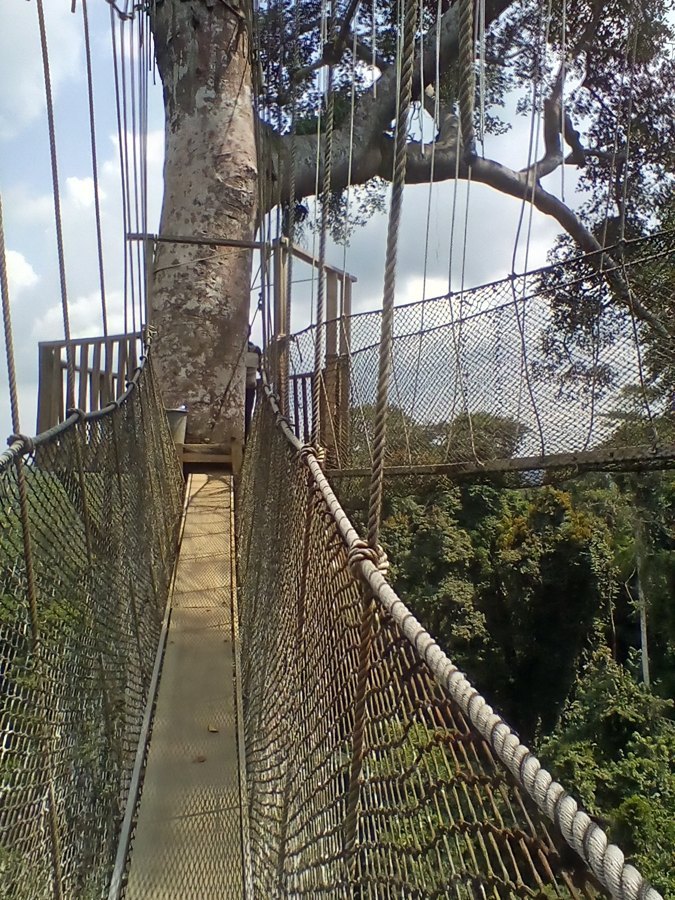
3. Ways to Conserve
| Resource | Action |
|---|---|
| water | close taps, fix leaks, harvest rainwater |
| soil | plant cover crops, avoid bush burning, terrace slopes |
| plants | plant trees, avoid cutting young trees |
| animals | do not hunt in closed season, protect habitats |
New words
- conservation
- Protecting natural resources for the future.
- natural resources
- Useful things from nature, like water and forests.
- national park
- Land protected for wildlife.
- sanctuary
- A safe place for animals.
- habitat
- The natural home of a plant or animal.
- closed season
- A time when hunting is not allowed.
Summary
- Conservation protects natural resources for the future.
- Ghana has protected areas like Mole and Kakum National Parks.
- We conserve water, soil, plants and animals through wise actions.
- Responsible citizens preserve the environment.
Class activity: Conservation Poster
- Choose one resource: water, soil, plants or animals.
- Make a poster with three ways to conserve it.
- Present it to the class.
You need: Local tree seedling, Printed photographs of local animals, Bottle of water, Cup of local soil
Exercises
Answer in your exercise book first, then check your answers.
1. Where can you see elephants in Ghana?
- A. Mole National Park
- B. Makola Market
- C. Kotoka Airport
- D. Lake Bosomtwe
Show answer
Answer: Mole National ParkIt protects elephants.2. Protecting natural resources for the future is…
- A. Conservation
- B. Pollution
- C. Deforestation
- D. Littering
Show answer
Answer: ConservationThat is conservation.3. Which saves water?
- A. Fixing leaking taps
- B. Leaving taps open
- C. Washing cars daily
- D. Pouring water away
Show answer
Answer: Fixing leaking tapsIt stops waste.4. Kakum National Park has a canopy walkway.
- A. True
- B. False
Show answer
Answer: TrueIt is high above the forest.5. Hunting during the closed season helps conservation.
- A. True
- B. False
Show answer
Answer: FalseIt harms animal populations.6. A safe place for animals is a ______.
Show answer
Answer: sanctuaryBoabeng-Fiema is a monkey sanctuary.7. Give two ways to conserve soil.
Show answer
Answer: Any two: plant cover crops, avoid bush burning, terrace slopes, plant trees.These protect soil.8. Why is conservation important for future generations?
Show answer
Answer: Resources like forests, water and animals will still be available for them to use.Conservation keeps resources for the future.
Homework
- Do one conservation action at home this week and record it.