Basic 6 · Our World and Our People · Myself
Managing the Problems of Adolescence
In this topic you will explain ways to manage and prevent the problems that occur during adolescence.
By the end of these notes you should be able to:
- Describe life skills for managing adolescent problems
- Identify people and places that can help
- Make a personal plan for a healthy adolescence
What you already know
- Problems of adolescence
Copy everything that has a blue line on its left into your notebook. The other parts are for reading.
- Strand
- All About Us
- Sub-strand
- Myself
- Indicator
- B6.1.2.1.2 – Explain how to manage the problems that occur during adolescence
Introduction
Every problem has a solution. With good choices, life skills and support from trusted adults, adolescents can grow into healthy, responsible adults.
1. Life Skills
| Skill | How it helps |
|---|---|
| decision-making | thinking about consequences before acting |
| assertiveness | saying "no" firmly and politely |
| self-awareness | knowing your strengths, weaknesses and values |
| communication | talking openly with parents and teachers |
| stress management | relaxing, exercising, sleeping well, praying |
| goal setting | focusing on your future |
2. Preventing Risky Behaviours
- Abstain from sex: abstinence is the only sure way to prevent teenage pregnancy and STIs.
- Say no to drugs, alcohol and smoking.
- Choose good friends and join clubs (sports, drama, religious youth groups).
- Use phones and the internet safely; never share personal photos or meet online strangers.
- Avoid lonely places and stay with trusted people.
3. Where to Get Help
| Source | Help offered |
|---|---|
| parents and guardians | love, guidance and advice |
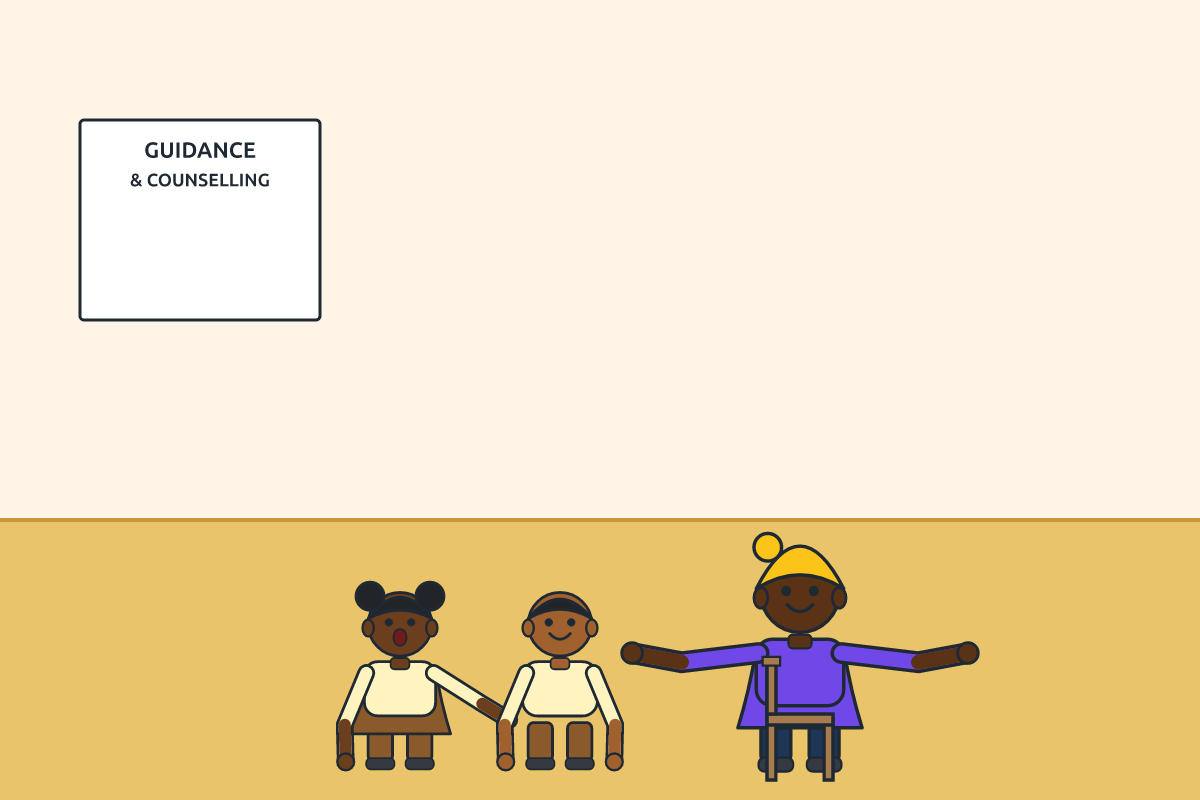
| teachers and school counsellors | guidance and counselling |
| health workers and adolescent health corners | health advice and treatment |
| religious leaders | spiritual guidance |
| Ghana Health Service and NGOs | information and youth programmes |
| DOVVSU (police) and Social Welfare | protection from abuse |
4. Healthy Habits
Eat a balanced diet, drink plenty of water, exercise regularly and sleep about 9 hours each night. Keep yourself busy with useful activities such as reading, sports, music or helping at home. A busy, purposeful life leaves little room for harmful habits.
5. Handling Emotions
When you feel angry, sad or stressed, pause and breathe deeply, talk to someone you trust, write your feelings in a diary, or go for a walk. Feelings are normal; what matters is how you respond to them.
Remember that asking for help is a sign of strength, not weakness. Confidential support is available, and trusted adults want to help young people succeed.
Faith communities also offer youth groups where adolescents can make good friends and learn values.
New words
- life skills
- Abilities that help people handle daily challenges.
- abstinence
- Choosing not to have sex.
- counselling
- Professional advice and guidance.
- assertiveness
- Expressing views firmly and respectfully.
- DOVVSU
- Domestic Violence and Victim Support Unit of the Ghana Police.
- stress
- Strain caused by worry or pressure.
Summary
- Life skills help adolescents make wise choices.
- Abstinence and saying no to drugs prevent serious problems.
- Parents, teachers, counsellors and health workers can help.
- Healthy habits and handling emotions well support a healthy adolescence.
Class activity: My Healthy Plan
- Write three goals for staying healthy during adolescence.
- List two trusted adults you can talk to.
- Write one way you will handle stress.
You need: Hand mirror, Printed photographs of Ghanaian children, Adolescents, Manila paper
Exercises
Answer in your exercise book first, then check your answers.
1. The surest way to prevent teenage pregnancy is…
- A. abstinence
- B. staying out late
- C. ignoring advice
- D. peer pressure
Show answer
Answer: abstinenceNo sex.2. Which life skill helps you say "no" firmly?
- A. assertiveness
- B. laziness
- C. anger
- D. shyness
Show answer
Answer: assertivenessFirm and polite.3. DOVVSU protects people from…
- A. abuse and violence
- B. malaria
- C. poor grades
- D. rain
Show answer
Answer: abuse and violencePolice unit.4. Talking to a trusted adult can help with problems.
- A. True
- B. False
Show answer
Answer: TrueThey give guidance.5. Meeting online strangers alone is safe.
- A. True
- B. False
Show answer
Answer: FalseIt is dangerous.6. Professional advice and guidance is called ______.
Show answer
Answer: counsellingFrom a counsellor.7. Name three people or places adolescents can get help from.
Show answer
Answer: Parents, school counsellors, health workers (or religious leaders, DOVVSU).Any three.8. Explain how goal setting helps adolescents avoid risky behaviour.
Show answer
Answer: Focusing on future goals makes them avoid actions such as drug use or early sex that could ruin those goals.Motivation.
Homework
- Write a letter to a younger sibling or friend with advice on staying safe in adolescence.