Basic 5 · Religious and Moral Education · The Environment
Pollution and Waste: Harming God's Creation
In this topic you will discuss how pollution of water, air and land by waste, chemicals and noise affects people and the environment.
By the end of these notes you should be able to:
- Explain types of pollution caused by human activities
- Describe their effects on health and the environment
- Show the moral duty to avoid pollution
What you already know
- Human activities that harm the land
Copy everything that has a blue line on its left into your notebook. The other parts are for reading.
- Strand
- God’s Creation & Attributes
- Sub-strand
- The Environment
- Indicator
- B5.1.2.1.1 – Discuss the effects of human activities on the environment
Introduction
Gutters choked with plastic sachets, rivers turned brown by mining, and loud music late at night are all forms of pollution. Pollution harms people and the creation God has given us.
1. Types of Pollution
| Type | Causes |
|---|---|
| land pollution | plastics, rubbish, e-waste, dumping in open places |
| water pollution | galamsey chemicals, refuse in rivers, open defecation, factory waste |
| air pollution | smoke from vehicles, burning refuse and tyres, dust, charcoal burning |
| noise pollution | loud music, loudspeakers, horns, generators |
2. Effects of Pollution
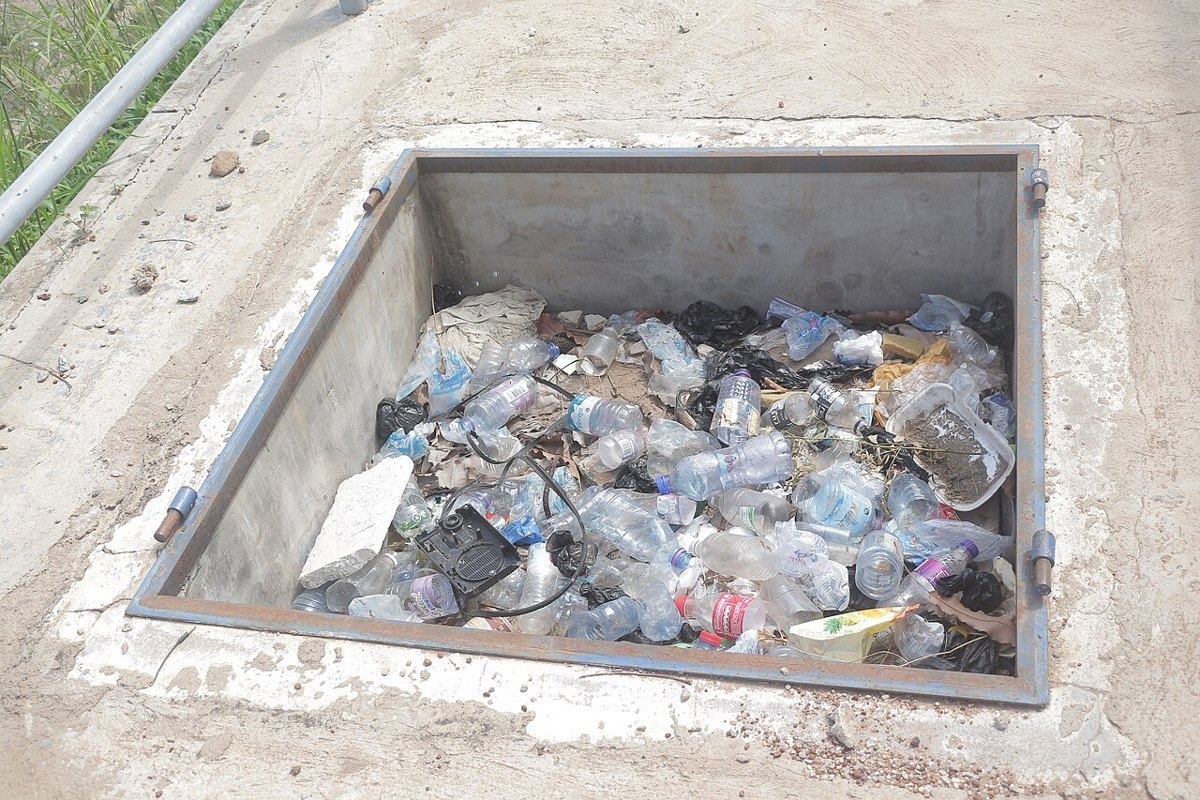
Plastic waste blocks gutters and causes flooding during heavy rains, as often happens in Accra and Kumasi. Stagnant water in blocked gutters breeds mosquitoes that spread malaria. Polluted water causes cholera and typhoid. Smoke causes coughs and asthma. Burning e-waste at sites such as Agbogbloshie releases poisonous fumes. Loud noise disturbs sleep, damages hearing and makes it hard for pupils to learn.
3. A Moral Duty
Pollution is not only a health problem; it is a moral problem. It harms our neighbours, future generations and other creatures. Jesus taught us to love our neighbour as ourselves (Mark 12:31). Throwing rubbish where others live does not show love. The Prophet Muhammad (peace be upon him) taught that "cleanliness is half of faith" and that removing harmful things from the road is an act of charity. Traditional communities punish people who pollute sacred rivers and require them to pacify the gods.
4. Respecting Others
We can avoid pollution by putting rubbish in bins, using reusable bags and bottles, keeping noise low at night and during school hours, and reporting illegal dumping. Churches and mosques can use loudspeakers responsibly so that they do not disturb neighbours, especially the sick and babies.
Ghana has laws against pollution. District assemblies can fine people who dump refuse in gutters or play loud music that disturbs others, and the Environmental Protection Agency (EPA) controls factory waste. But laws alone are not enough. Each person must choose to do what is right even when no one is watching.
New words
- pollution
- Making the environment dirty or harmful.
- e-waste
- Thrown-away electronic devices.
- noise pollution
- Loud, unwanted sound.
- stagnant
- Not flowing.
- neighbour
- A person who lives near you, or any fellow human.
- moral duty
- Something we ought to do because it is right.
Summary
- Pollution affects land, water, air and our ears.
- It causes flooding, disease and poor health.
- Avoiding pollution is a moral duty to our neighbours.
- All three religions teach cleanliness and respect for others.
Class activity: Pollution Watch
- List five types of pollution seen around the school.
- Suggest one solution for each.
- Write a class pledge against pollution.
You need: Printed photographs of local galamsey, Bush burning, Charred wood, Discarded water sachet, Manila cause-and-effect chart
Exercises
Answer in your exercise book first, then check your answers.
1. What causes flooding in many towns?
- A. Plastic waste blocking gutters
- B. Planting trees
- C. Sweeping
- D. Using bins
Show answer
Answer: Plastic waste blocking guttersWater cannot flow.2. Which disease is linked to polluted water?
- A. Cholera
- B. Measles
- C. Asthma
- D. Chickenpox
Show answer
Answer: CholeraIt spreads through dirty water.3. Loud music late at night is…
- A. noise pollution
- B. water pollution
- C. land pollution
- D. erosion
Show answer
Answer: noise pollutionIt disturbs others.4. Burning e-waste releases harmful fumes.
- A. True
- B. False
Show answer
Answer: TrueThey are poisonous.5. Pollution has nothing to do with religion.
- A. True
- B. False
Show answer
Answer: FalseReligions teach care for neighbours and creation.6. The Prophet taught that cleanliness is ______ of faith.
Show answer
Answer: halfIt is very important.7. State two effects of plastic waste.
Show answer
Answer: Blocks gutters causing floods; breeds mosquitoes (or pollutes land).Any two.8. Explain why pollution is a moral problem.
Show answer
Answer: It harms neighbours and future generations and shows lack of love and respect for God's creation.Moral duty.
Homework
- Count the plastic items your family throws away in one day. Suggest ways to reduce them.